British Columbia is once again confronting the impact of extreme weather. As this article is being written, the province is under a state of emergency as the Bald Range wildfire continues to burn in the Okanagan. More than 20,000 people have been displaced in the largest evacuation event of B.C.’s wildfire season so far. The fire has burned more than 13,600 hectares, damaged properties and disrupted essential services in affected communities.
The immediate priority is protecting people, communities and the crews working to contain the fires. For those of us who build and maintain British Columbia’s infrastructure, events like these also raise important questions about how roads, utilities, drainage systems and other essential infrastructure will need to perform in the years ahead.
The conditions we have built for in the past will not always be the conditions that infrastructure encounters over its lifetime.
WHEN EXTREME WEATHER BECOMES AN INFRASTRUCTURE ISSUE
Wildfire may not immediately seem like a civil construction issue, but its impact on infrastructure can be significant. Roads and access routes become critical during evacuations and emergency response. Electrical and communications infrastructure can be threatened, water systems can be disrupted, and heavy equipment may need to reach areas that were never intended to handle that volume or type of traffic.
The challenges can continue long after a fire has been extinguished. Severe wildfires can remove vegetation and change soil conditions, reducing the landscape’s ability to absorb water. The Province of British Columbia identifies increased runoff, erosion, debris flows, flooding and landslides among the potential risks following a wildfire, each of which can have consequences for roads, culverts, utilities and surrounding infrastructure.
Fire is only one example. British Columbia has experienced atmospheric rivers, flooding, extreme heat, drought and landslides in recent years, sometimes with significant consequences for communities and transportation networks.
For civil construction, these events are changing the way we think about infrastructure resilience: how roads, utilities and other essential systems are planned, built and maintained to withstand disruption and continue performing when conditions become more severe.
RESILIENCE STARTS BELOW THE SURFACE
Much of the infrastructure that helps a community withstand severe conditions is infrastructure most people rarely notice.
Drainage systems, culverts, roads, retaining structures, underground utilities, stormwater systems, slopes, embankments and access routes all play a role. When these systems are working properly, they tend to go unnoticed. Their importance becomes much clearer when something goes wrong.
Heavy rainfall can become a transportation problem when drainage infrastructure cannot accommodate the volume of water. Saturated ground can affect slope stability, which can close a road and affect emergency access, utilities and the movement of people and goods. These relationships make understanding site conditions particularly important.
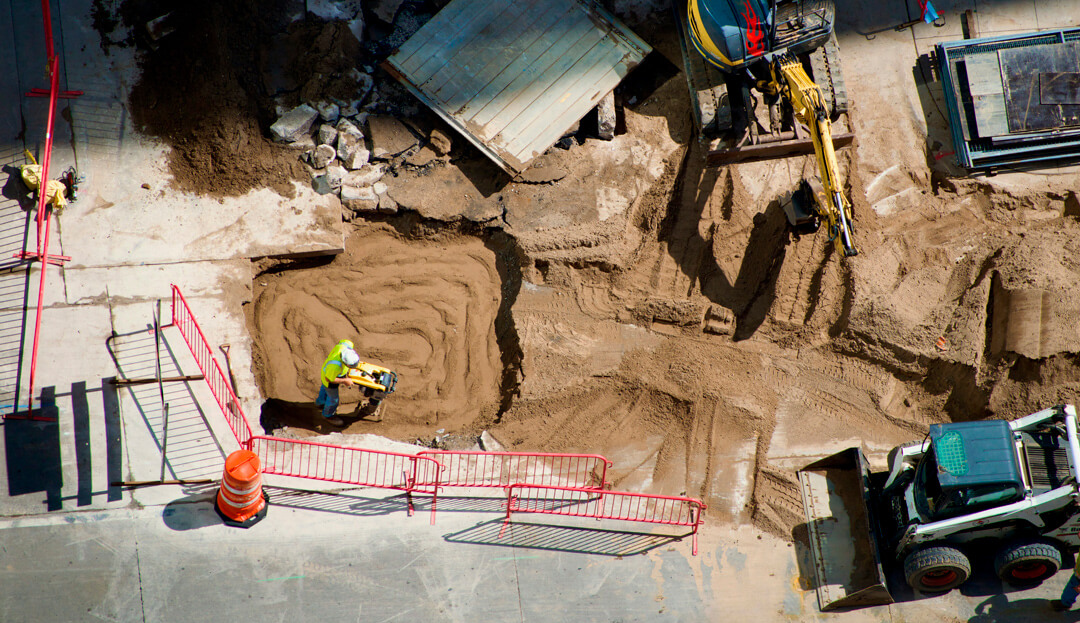
“One thing you learn very quickly in civil construction is to respect the site,” says Sonia Hartwell of Berto Contractors. “Water, soil, terrain, access and existing infrastructure all have an impact on how the work needs to be done. Understanding those conditions early gives everyone a better chance of making good decisions and building something that will last.”
That practical understanding has always been important in civil construction, but more variable conditions are making it even more valuable. The challenge is not to anticipate every possible event. It is to understand where vulnerabilities exist and make informed decisions about how infrastructure can be designed, constructed and maintained to perform under a wider range of conditions.
LEARNING FROM WHAT HAS ALREADY HAPPENED
British Columbia already has considerable experience rebuilding infrastructure following severe weather. Flooding and landslides have damaged highways, bridges, slopes and other infrastructure across the province in recent years. Each recovery provides an opportunity to understand why an asset was vulnerable and what could be done differently when it is repaired or replaced.
Sometimes that means improving drainage or stabilizing a slope. In other situations, it may mean reconsidering materials, protecting utilities differently or changing how water is directed through a site. The goal should not always be to restore exactly what was there before. Where practical, recovery work can incorporate what has been learned from the event and reduce the likelihood or impact of the same problem happening again.
That principle has applications well beyond disaster recovery. Lessons learned from existing infrastructure can help inform the roads, utilities and civil works being built across the province today. The more information project teams can carry from one project or event into the next, the better equipped the industry becomes to manage changing conditions.
BUILDING FOR THE CONDITIONS AHEAD
British Columbia will continue to grow and its infrastructure will need to grow with it. New communities need roads, water, sewer and utilities. Businesses and industry need dependable transportation and energy infrastructure, while existing assets need to be maintained, rehabilitated and eventually replaced. The challenge is making sure those investments are prepared for the conditions they may encounter over decades of service.
Safety, quality, schedule and cost will remain fundamental to every civil construction project. Resilience adds another consideration by asking how an asset will continue to perform when conditions become difficult. Addressing that question requires collaboration between owners, engineers, contractors, governments and communities, supported by good information, careful planning and a willingness to apply lessons from infrastructure that has already been tested.
British Columbia’s geography has always demanded a great deal from the people who design and build here. The events of recent years reinforce the value of understanding local conditions and bringing practical experience into decisions about infrastructure. We cannot predict every wildfire, flood, storm or landslide the province will face, but we can continue to learn from each one and use that knowledge to build infrastructure that is better prepared for what comes next.
Ultimately, the value of good infrastructure is not just how well it works under normal conditions. It is also how well it continues to serve the people who depend on it when conditions are anything but normal.