Why restoration quality is becoming a defining measure of infrastructure performance in British Columbia
Across British Columbia, infrastructure planning has entered a new phase where climate resilience and restoration quality are shaping how projects are defined, evaluated and delivered. Extreme weather is no longer treated as an exception. It is influencing procurement standards, engineering specifications and construction practices across municipal and utility work. Flood risk, soil instability, wildfire exposure and sustained precipitation are putting pressure on systems that were not originally designed for these conditions. Expectations for contractors have shifted alongside this reality. Performance is still measured on timelines and budgets, but it is increasingly judged on how well infrastructure holds up over time.
“Climate resilience isn’t something organizations can plan for down the road anymore. It has to show up in the work right now, every day on site,” says Sonia Hartwell, President of Berto Contractors Ltd. “Our job is to make sure what we build and restore can handle real conditions, not just what looks good on paper.”
Raising the Standard on Restoration
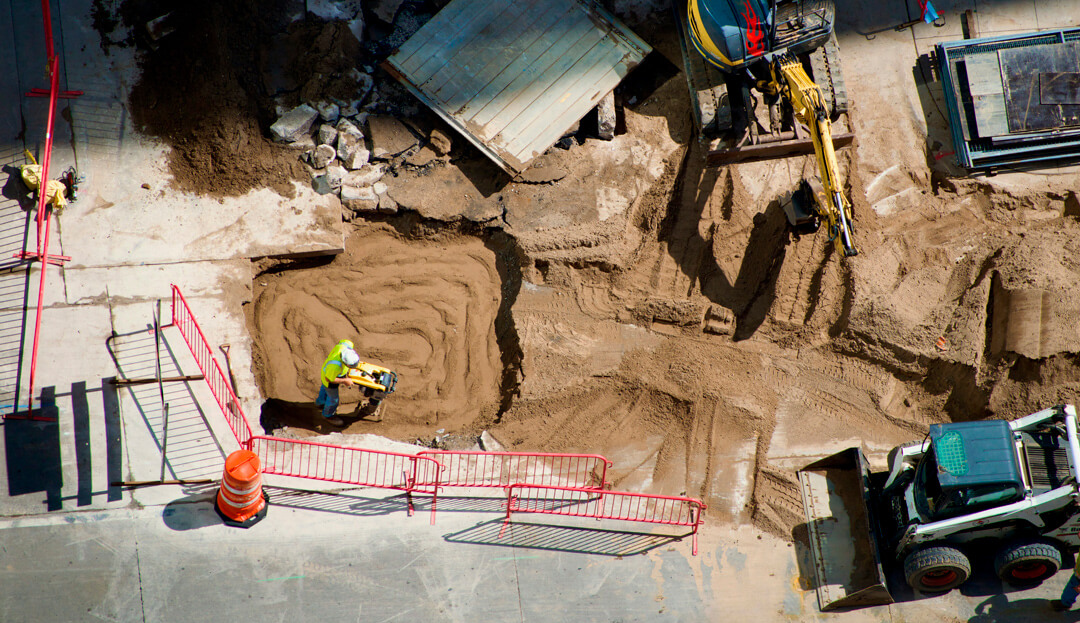
Municipalities and utilities across the province are responding by raising the bar on drainage systems, erosion control, materials performance and restoration practices. These expectations are now built into tender documents, inspection protocols and post-construction accountability. On the ground, this translates into a higher level of execution. Surface restoration is being evaluated not only for how it looks, but for how it performs under water infiltration, freeze thaw cycles and long-term settlement. Subsurface work is under greater scrutiny for compaction quality, material selection and alignment with environmental performance goals.
Hydro Infrastructure Under Pressure
The impact is especially visible in hydro utility work, where system reliability is directly tied to public safety and economic continuity. Power distribution networks across British Columbia are facing increased strain from windstorms, heavy rainfall and wildfire activity. These conditions can expose weaknesses in underground duct banks, pole foundations and associated civil infrastructure. Water ingress, soil erosion and ground movement can lead to outages, accelerate wear on assets and increase maintenance requirements.
Hydro utilities are now placing greater emphasis on how supporting civil work is executed in the field. Duct banks need to be installed with careful attention to grading and drainage to prevent water accumulation. Backfill materials and compaction methods must support long term stability. Surface reinstatement needs to direct water away from critical infrastructure rather than allow it to settle or infiltrate. These are practical decisions that have a direct impact on how the system performs over time and how often it requires intervention.
“Organizations are asking tougher questions now,” Hartwell explains. “They want to know how the work will hold up after a heavy rain or a bad winter. If the restoration fails, it’s not just a patch job, it affects the whole system. Getting it right the first time matters a lot more.”
Procurement Is Catching Up
Procurement is evolving to reflect this reality. Contractors are being evaluated more closely on their ability to demonstrate consistent restoration quality and proactive risk management. Past performance, documented quality control practices and the ability to adapt to changing site conditions are becoming key differentiators. The firms that stand out are those that understand how construction decisions influence lifecycle performance, not just project completion.
British Columbia’s regulatory and environmental landscape reinforces these expectations. Stormwater management requirements are tightening, particularly in urban areas where runoff creates ongoing challenges. Erosion and sediment control standards are being enforced more consistently to protect waterways and surrounding ecosystems. Site conditions often need to be managed in real time, with crews adjusting methods based on weather patterns and environmental sensitivity rather than relying on static plans.
Lifecycle Value Over Short-Term Cost
Infrastructure owners are placing greater weight on lifecycle value when making decisions. Higher upfront investment in materials and restoration practices is being weighed against the cost of long term failure. A trench that allows water ingress or a surface that degrades under seasonal stress can create a chain reaction of maintenance issues. These issues impact budgets, service continuity and public confidence. Well executed restoration reduces the need for repeated intervention and supports a more stable operating environment.
The complexity of this work is particularly clear in shared utility corridors. In many parts of the province, power and telecommunications infrastructure operate within tight rights of way. Construction activities must be carefully coordinated to maintain safety and system integrity. When trenching and reinstatement take place in these environments, water management becomes critical. Poor drainage can affect both newly installed infrastructure and surrounding assets. Strong erosion control and soil stabilization practices are essential, especially in areas with challenging terrain or high rainfall.
Execution Defines Reputation
Restoration quality also has a visible impact on how projects are perceived by the public. Roadways, sidewalks and landscaped areas that are reinstated to a high standard signal care and professionalism. Consistent surfaces and durable materials build confidence in the work being done. In communities where infrastructure projects are highly visible, this perception influences how contractors are evaluated for future opportunities.
Delivering at this level requires both technical capability and operational discipline. Field teams need to be equipped to handle complex restoration work under changing conditions. Project planning needs to account for weather variability and environmental constraints. Quality assurance has to be embedded throughout the construction process, not left to the final stages. Collaboration with engineers, inspectors and project owners ensures that specifications are met in a way that supports long term performance.
“Good restoration work doesn’t get noticed when it’s done right, and that’s kind of the point,” Hartwell adds. “It blends in, holds up and keeps everything around it working the way it should. That’s what organizations are really looking for now.”
As standards continue to evolve across British Columbia, the role of the contractor is becoming more central to the resilience conversation. Firms that can consistently deliver high quality restoration and demonstrate a clear understanding of environmental risk are positioning themselves as trusted partners to municipalities and utilities. In a province where climate pressures are increasing, the ability to build and restore infrastructure that performs over time is no longer a point of differentiation. It is the expectation that defines the work.