How smart grids, fibre-optic networks and digital technologies are transforming the infrastructure that powers and connects British Columbia.
Electricity and telecommunications have long been essential to British Columbia’s economic development. Traditionally, the infrastructure supporting these services has been developed and operated as distinct systems. Today, however, advances in digital technology are bringing them closer together.
Modern electrical grids increasingly rely on sophisticated communications networks to monitor equipment, manage electricity distribution and respond to changing demand. At the same time, telecommunications networks depend on reliable electrical infrastructure to maintain connectivity across communities and industries.
This growing interdependence is changing how essential infrastructure operates and what will be required to support it in the future. For British Columbia, where population growth, electrification and digital connectivity are driving infrastructure requirements, the convergence of energy and telecommunications represents an important evolution in how essential services are delivered.
Smart Grids: When Electricity Meets Digital Technology
Traditional electrical grids were designed primarily to move electricity from generating stations through transmission and distribution networks to homes and businesses. Smart-grid technologies introduce an additional layer of intelligence, using connected sensors, automated equipment and communications systems to provide greater visibility into grid conditions.
These technologies allow utilities to monitor portions of their networks remotely, identify potential equipment problems and respond more efficiently to outages. They can also support the integration of renewable energy, distributed generation and other emerging technologies.
BC Hydro offers an established example of this transformation. More than 1.9 million smart meters have been installed throughout the province, forming a communications network that periodically transmits electricity consumption data. This information helps the utility manage its electrical system and improve service reliability.
While smart meters are among the most visible examples of connected electrical infrastructure, the technology extends much further into the grid. Digital monitoring systems, intelligent substations and automated controls are increasingly important to modern utility operations.
Fibre Optics: The Communications Backbone of Modern Utilities
As electrical infrastructure becomes more sophisticated, the ability to transmit information reliably becomes increasingly important.
Fibre-optic networks play a significant role in this transformation. Unlike traditional copper communications systems, fibre-optic cables transmit information using light, providing high bandwidth, low latency and resistance to electromagnetic interference.
These characteristics make fibre particularly valuable in electrical utility environments, where communications systems must operate reliably alongside high-voltage equipment. Fibre networks can connect generating stations, substations, control centres and monitoring equipment, enabling utilities to exchange operational information across extensive geographic areas.
BC Hydro maintains its own telecommunications infrastructure, including fibre-optic and microwave radio networks that connect critical electrical facilities throughout British Columbia. Its grid telecommunications network spans more than 200 sites, supporting the operation and reliability of the province’s bulk electricity system.
This illustrates an important shift in how we think about telecommunications infrastructure.
While fibre-optic networks are commonly associated with internet access, mobile communications and business connectivity, they also serve as essential components of modern electrical systems.
The same fundamental communications technologies that connect communities and businesses are helping utilities manage increasingly complex electrical networks.
Remote Monitoring and Automation Are Changing Utility Operations
One of the most significant benefits of connected infrastructure is the ability to monitor and manage equipment without requiring personnel to be physically present at every location.
Through systems known as Supervisory Control and Data Acquisition, or SCADA, utilities can collect information from remote assets and, where appropriate, control equipment from centralized operating facilities.
These systems are particularly valuable in British Columbia, where electrical infrastructure extends across mountainous terrain, remote communities and geographically dispersed service areas.
For example, BC Hydro previously demonstrated how secure cellular communications could provide remote monitoring and control capabilities at a smaller substation in Barriere, BC. The technology enabled operators to obtain information that previously could require field crews to travel significant distances to investigate.
Today, the broader application of remote monitoring and automation continues to create opportunities to improve operational efficiency, identify faults and strengthen network reliability.
These capabilities are particularly important during severe weather events and other disruptions, when timely information can help utilities assess conditions and coordinate restoration activities.
Why Energy and Telecommunications Networks Are Becoming More Interdependent
The relationship between energy and telecommunications infrastructure extends beyond the technologies used to manage electrical grids.
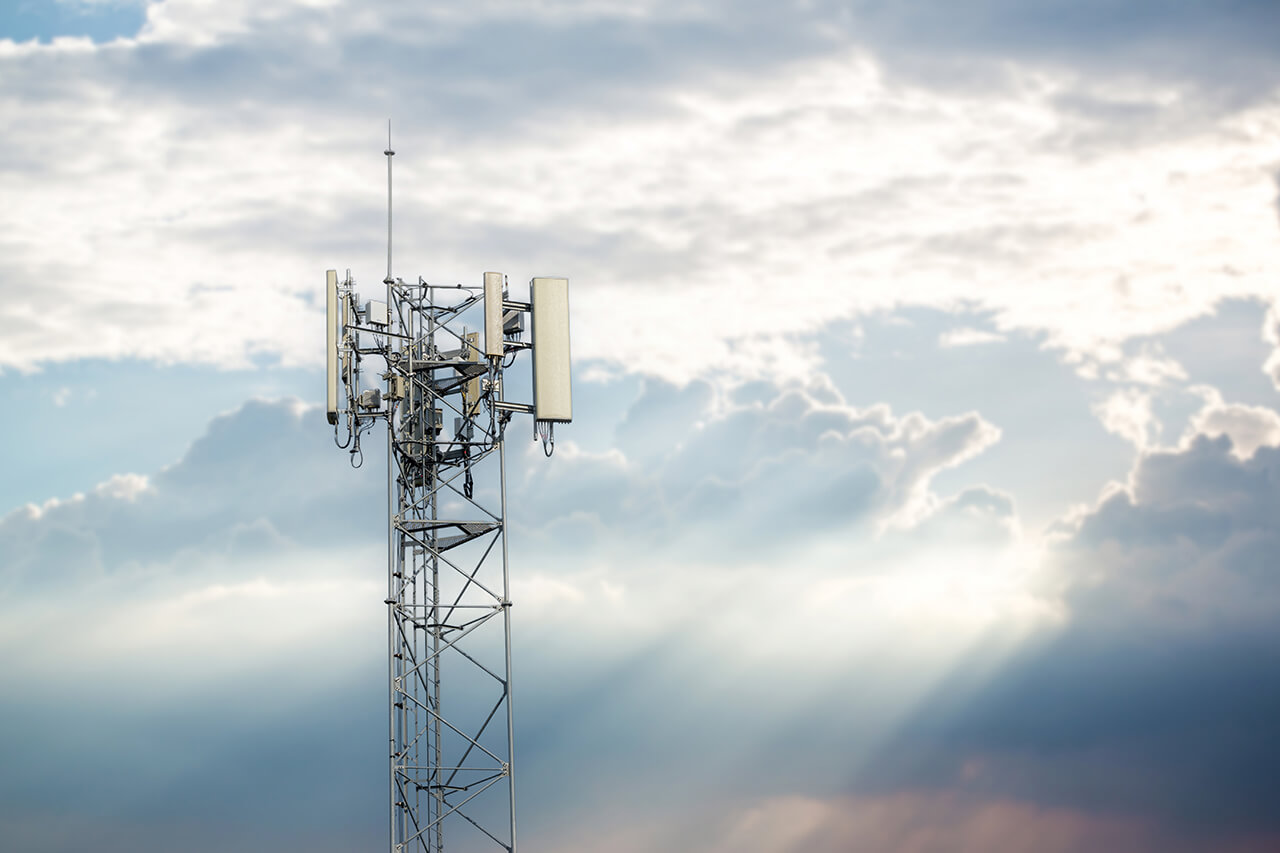
Telecommunications networks themselves require reliable power to operate. Cellular towers, fibre-optic network equipment, data centres and communications facilities all depend on electricity, supported in many cases by backup power systems.
At the same time, electrical utilities increasingly depend on telecommunications systems for monitoring, protection and control. This creates a relationship in which the reliability of one network can influence the performance of the other.
As digital infrastructure expands, this interdependence introduces new considerations for system design, redundancy, cybersecurity and emergency preparedness. It also reinforces the importance of maintaining both the physical and digital components of critical infrastructure.
For infrastructure owners and operators, reliability increasingly depends on understanding how these interconnected systems function together, particularly when responding to equipment failures, natural disasters or changing operational demands.
What This Means for the Future of Civil Infrastructure
Although much of the innovation taking place within energy and telecommunications involves digital systems, those technologies continue to depend on physical infrastructure.
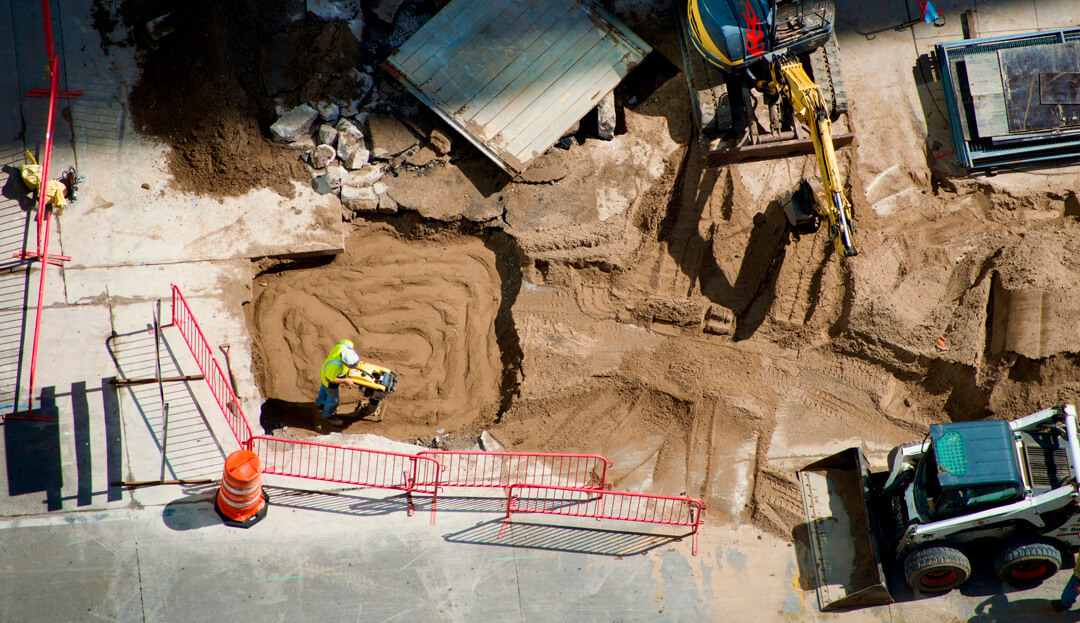
Fibre-optic networks require protected pathways, access points and connections to facilities. Electrical distribution systems depend on substations, underground duct banks, utility structures and supporting civil works. Remote monitoring equipment must be installed in environments that provide appropriate access, protection and long-term reliability. As networks become more connected, civil infrastructure must continue to accommodate evolving technical requirements.
This does not necessarily mean every electrical or telecommunications project will become more complex. Rather, it highlights the importance of understanding how the physical infrastructure being constructed today may support increasingly sophisticated systems over its operational life.
For civil contractors, this evolution reinforces the value of technical knowledge, construction precision and experience working within demanding utility environments. It also creates opportunities to support the modernization of existing infrastructure as utilities adapt their networks to changing technologies and service requirements.
Building the Foundation for a More Connected British Columbia
British Columbia’s infrastructure requirements will continue to evolve as electrification, population growth and digital technologies reshape the province’s essential services.
BC Hydro’s long-term planning anticipates substantial growth in electricity demand, with electricity consumption projected to increase by approximately 50% by 2050. Meeting future requirements will involve a combination of energy conservation, modernization of existing assets and new generation and transmission infrastructure.
Alongside these developments, telecommunications networks will continue to play an important role in connecting people, businesses and the systems that support daily life. For Berto, with decades of experience supporting civil infrastructure development across British Columbia, the growing connection between these industries reflects the changing nature of the infrastructure sector.
While the technologies powering and connecting our communities continue to advance, their success will always depend on the quality and reliability of the physical infrastructure supporting them. The future of British Columbia’s infrastructure will not be defined by energy or telecommunications alone, but increasingly by how effectively these essential systems work together.